5 Shower Routine Tips for Teens with ADHD


📅 Estimated reading time: 4 minutes | 🧠 Executive function strategies that work

Helping a teen with ADHD build a consistent shower routine can feel like an uphill battle. Executive function challenges—difficulty planning, initiating, and sticking to tasks—make what seems like a simple daily habit surprisingly complex. Many parents find themselves repeating the same reminders day after day, often with little success.

The good news is that the right strategies can transform shower time from a daily struggle into a smooth, predictable part of the day. Here are five practical tips to help your teen with ADHD build a shower routine that actually works.

1. Break the Routine into Small, Visible Steps

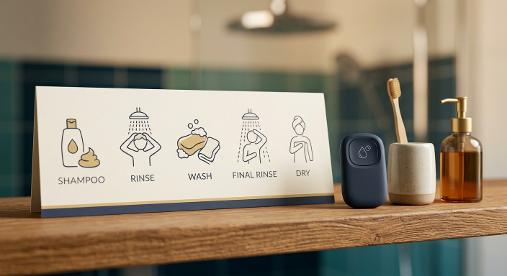
For ADHD brains, "take a shower" can feel like one enormous, overwhelming task. This is why many teens avoid it or freeze when it's time to start. Breaking the process down into bite-sized, visible steps makes a world of difference.

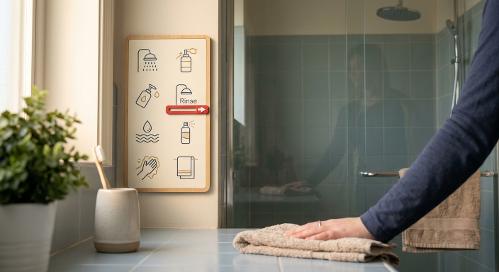
Create a simple checklist for the bathroom wall: turn on water, get in, wash hair, wash body, rinse, turn off water, dry off, get dressed. Some families find success with numbered sequences—assigning a number to each step helps the brain track progress and stay on task. A visual schedule with icons or pictures works well for teens who respond better to images than words. Once the routine becomes automatic, your teen won't need the checklist anymore.

2. Anchor Shower Time to an Existing Habit

Instead of trying to create a new routine from scratch, attach showering to something your teen already does every day. This is called "habit stacking," and it works exceptionally well for ADHD brains because it reduces the executive function required to start the task.

For example, if your teen always eats breakfast, have them shower immediately afterward. If they get home from school at the same time each day, make that the designated shower window. When hygiene becomes anchored to an existing routine, it requires less planning and self-starting—the brain begins to automate the sequence.

3. Use Timers to Combat Time Blindness

Time blindness—the inability to accurately sense the passage of time—is one of the most challenging aspects of ADHD. A teen might genuinely believe they've been in the shower for five minutes when it's been twenty-five. They're not being defiant; their brain simply doesn't track time the same way.

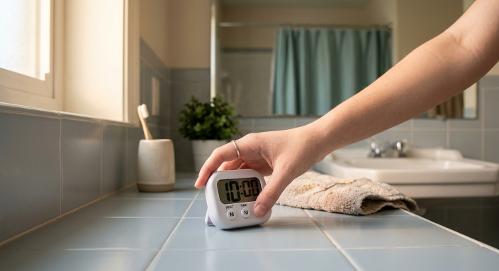
Timers are one of the most effective tools for managing time blindness. A visual timer that shows time disappearing can be particularly helpful because it makes the boundary visible rather than relying on abstract numbers. Setting a countdown before getting in and a second timer to signal time to wrap up gives the brain clear reference points.

4. Reduce Friction Wherever Possible

ADHD brains struggle with tasks that have too many barriers. The more steps required to start—gathering a towel, finding clean clothes, adjusting water temperature—the less likely the task will happen.

Keep everything your teen needs within arm's reach of the shower: towel, shampoo, body wash, and a change of clothes. Dim harsh overhead lighting, which can feel overstimulating first thing in the morning. Some teens focus better with music playing; others need quiet. Pay attention to what reduces resistance and what increases it. The true goal is to make getting clean as frictionless as possible.

5. Create a Clear, Automatic Ending

Perhaps the most powerful strategy for teens with ADHD is creating a predictable endpoint that doesn't rely on parental nagging. When a parent has to call out "time to get out" multiple times, it often leads to conflict and frustration for everyone.

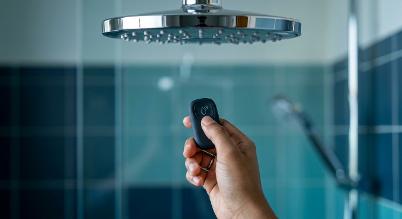
Many families find that a physical shower shutoff—something that ends the shower automatically when time is up—works better than verbal reminders. This shifts the signal from "Mom is telling me what to do" to "the water stopped, so shower time is over," which ADHD brains often accept more readily.

🚿 The Remote Shower Timer is designed specifically for this purpose. It attaches to your bathroom pipe with no tools or permanent changes, and when the preset time is up, it physically shuts off the water. No nagging. No reminders. Just a clear, predictable end to shower time. Built for real-world executive function challenges, it provides an external structure that works when words can't get through.
👉 Learn more about the Remote Shower Timer

Why Consistency Matters

Building a new routine takes time. Expect setbacks, and don't aim for perfection. Celebrate the mornings when your teen gets in the shower without prompting. Keep strategies flexible enough to adapt when something isn't working. With patience and the right tools, you can turn shower time from a daily battle into a calm, predictable part of your family's routine.

👉 See Full Product Details | ❓ Have Questions? Read the FAQ | 🛒 Order Now